
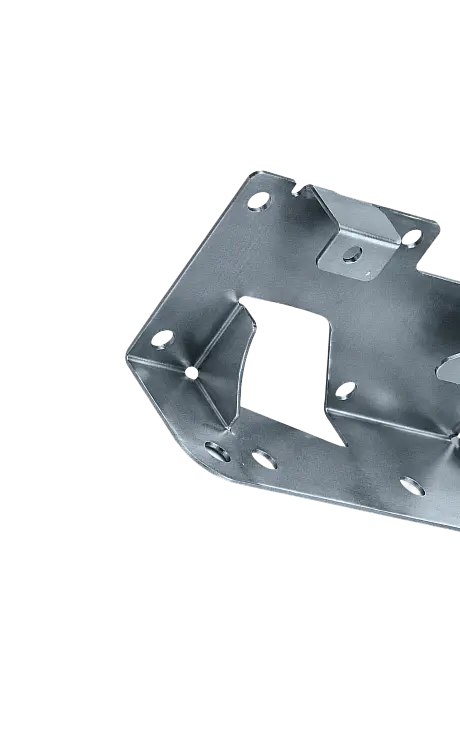
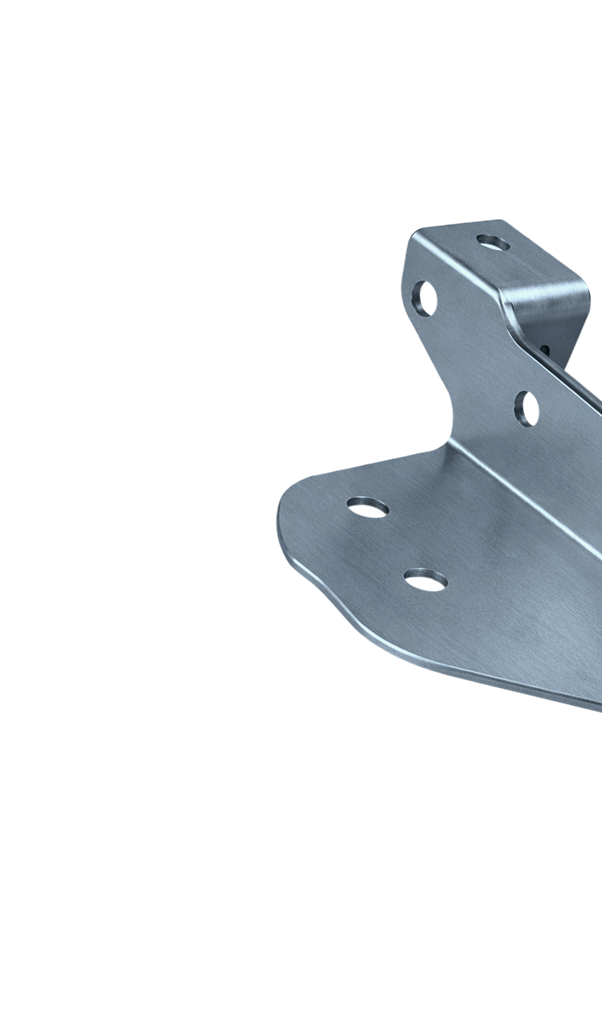
CAD Feature Recognition
for Manufacturing
Automatically detect manufacturing features from CAD files using advanced geometry recognition. Transform CAD geometry into structured data for automated quoting, cost estimation, and production planning.
Part of Oroox Manufacturing Commerce Cloud
How It Works
Turn CAD Geometry Into Manufacturing Data
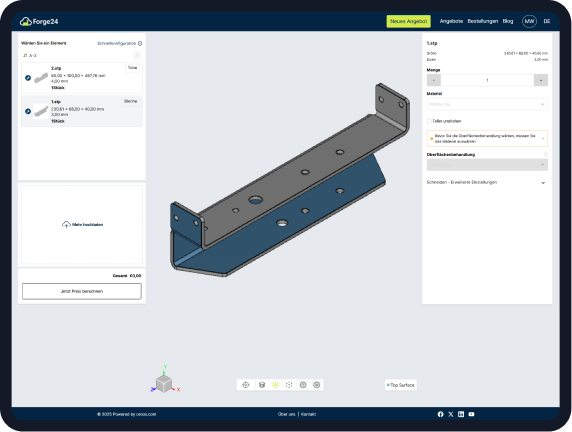
Oroox uses advanced geometry recognition algorithms to automatically detect manufacturing features and validate feasibility across multiple production methods — from CNC machining and sheet metal to structural fabrication and 3D printing.
- Native CAD parsing — no manual tagging or pre-processing
- Classified feature output feeds directly into cost models
- Works with assemblies and mixed hardware components
The Problem
Why Manual CAD Analysis Fails at Scale
Manually reading CAD files, extracting features, and estimating costs is slow, error-prone, and impossible to scale — especially across complex multi-part assemblies and diverse manufacturing technologies.
Slow & Error-Prone
- Engineers spend hours per RFQ
- Manual extraction leads to pricing errors
- Missed features cause costly rework
Impossible to Scale
- Volume spikes overwhelm teams
- Complex assemblies take days
- No consistent cost methodology
Disconnected from Production
- Feature data never reaches planning
- Routing done manually from scratch
- No link between CAD and ERP
Detection Categories
Manufacturing Feature Detection from CAD Models
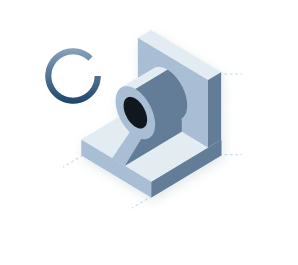
Oroox automatically detects and classifies manufacturing features in CAD files across machining, sheet metal, structural fabrication, and welding workflows.
Holes & Pockets
- Through holes & blind holes
- Countersinks & counterbores
- Closed & open pockets
- Complex cavities
Contours & Profiles
- Outer contours & internal profiles
- Complex edges & multi-level contours
- U, T, I/H, L profiles
- Round, rectangular & square tubes
Sheet Metal Features
- Bend lines, angles & radii
- Flanges & edge features
- Formed features & cutouts
Welding & Assembly
- Welding seams & joint types
- Full mixed assembly support
- Hardware component detection
Upload CAD file (STEP, STL, or other formats)
System analyzes geometry and extracts features
Manufacturing features are classified by type
Cost models and rules engine applied
Read moreInstant quote and production data generated
Read moreFrom CAD Upload to Instant Quote
Oroox connects CAD feature recognition with cost models and production planning — turning raw geometry into accurate, actionable manufacturing data in seconds.
Automated Quoting
From CAD Analysis to Automated Quoting
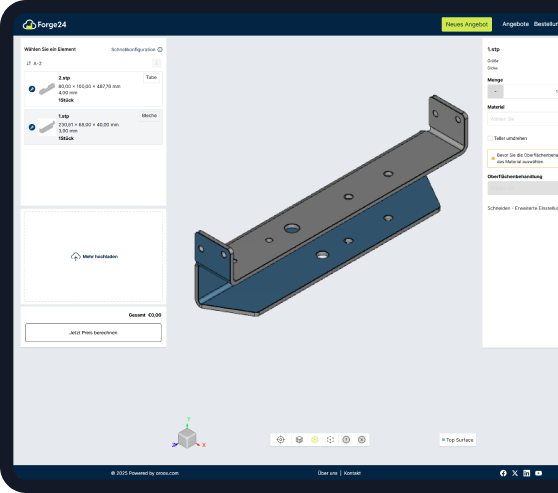
Oroox connects CAD feature recognition with automated quoting and production planning. Detected features feed directly into your cost rules — calculating machine time, material usage, and process costs without any manual estimation.
- Automatic geometry analysis with native recognition algorithms
- Feature data drives cost models for accurate pricing
- Production planning connected to routing & scheduling
- CAD data flows directly into ERP without re-entry
Key Areas
Built for Manufacturing Industries


Feature Recognition Capabilities
Business Impact
Best Manufacturing Solution
Frequently Asked
Question
Still have questions?
Can't find the answer you're looking for? Please chat to our friendly team.
Get SupportCAD feature recognition is the process of automatically identifying manufacturing-relevant geometry from CAD models to support machining, quoting, and production planning.
Oroox analyzes CAD geometry using native feature recognition algorithms, detects manufacturing features, and applies cost models to estimate machine time, materials, and operations, generating accurate quotes instantly.
Oroox supports common CAD formats such as STEP, STL, and other standard 3D model files used in manufacturing workflows.
Yes, Oroox detects sheet metal features like bends and flanges as well as welding features such as weld seams, joints, and edge preparations for fabrication planning.
Yes, Oroox handles full mixed assemblies, including hardware components, enabling comprehensive analysis across complex multi-part designs.